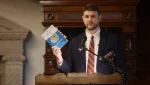
Christian Post decided the final hours before the 2026 midterms were the perfect time to run Democrat soft propaganda dressed up as faith coverage. Their piece, “10 Christian Democrats running on their faith in the Nov. 3 midterm elections,” dropped on November 2 and immediately drew the obvious reaction from anyone paying attention: Are you kidding me?
This is not neutral reporting. It is a multi-page listicle engineered for pageviews and ad revenue at the expense of anyone trying to actually read it. In classic 2012 BuzzFeed energy: force the clicks, pad the metrics, and call it journalism. Readers click through paginated entries on candidates whose actual records make a mockery of the “running on their faith” framing. Christian media has not exactly been immune to traffic farming, but shipping this the day before an election crosses into outright campaign work.
The two highest-profile names illustrate the problem. Texas state Rep. James Talarico, a seminary student, has spent the campaign telling voters the Bible is “silent” on abortion while supporting abortion rights and previously floating the idea that God is nonbinary. Kansas megachurch pastor Adam Hamilton, senior pastor of the largest United Methodist congregation in the country, has publicly backed “safe and legal access to abortion,” opposed stronger pro-life measures in his state, and supported the United Methodist Church’s moves toward affirming same-sex marriage and gay clergy. He has compared biblical texts on sexuality to outdated justifications for slavery. These are not edge cases; they are central to how both men campaign while invoking Christian language.
The rest of the list follows the pattern. One former United Methodist pastor was removed after officiating a same-sex wedding and now supports the Equality Act. Another candidate campaigns against “Christian Nationalism” while calling for the abolition of ICE. The Christian Post notes, almost in passing, that President Trump and Republicans have criticized several of these candidates for views on abortion and sexuality that clash with the beliefs of most Evangelicals. That understatement does the work of the article: present progressive Democrats who use Christian vocabulary as legitimate faith-driven contenders without pressing the obvious contradictions.
Discernment is not complicated here. Scripture is clear on the value of unborn life and on sexual ethics. Campaigns that subordinate those truths to party platforms while wrapping themselves in “faith” are not running on Christianity; they are running on progressive ideology with a Bible verse attached for electoral utility. Mainstream Christian outlets that amplify the framing without scrutiny are not serving the church. They are participating in the same redefinition of the faith that has hollowed out mainline denominations.
The timing and the format reveal the priority. On the eve of an election, The Christian Post chose a click-driven listicle that treats political branding as sufficient evidence of Christian commitment.